





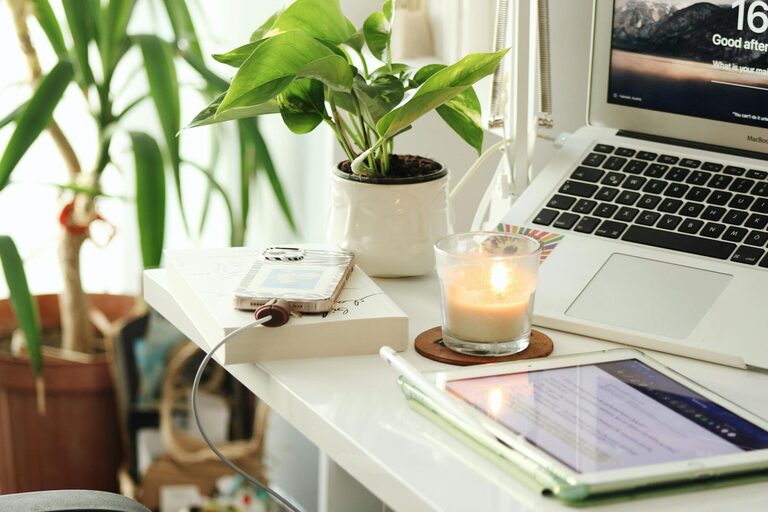
Creating a relaxing home workspace is essential for maintaining focus, reducing stress, and boosting productivity, especially as more people work remotely. A well-designed workspace not only supports your professional tasks but also promotes comfort and a sense of calm throughout your day. In this post, we’ll explore practical tips and ideas to help you create an environment that encourages both productivity and relaxation.
Why a Relaxing Workspace Matters
Your workspace influences your mood, energy levels, and work quality. A cluttered, uncomfortable, or noisy area can lead to distractions and fatigue. On the other hand, a calming and organized setup helps you stay motivated, reduces stress, and makes long working hours more manageable.
1. Choose the Right Location
When setting up your workspace, picking the right spot is crucial.
– Natural Light: Position your desk near a window if possible. Natural light boosts your mood and reduces eye strain.
– Quiet Area: Find a part of your home with minimal noise and foot traffic.
– Separate Space: If you have room, dedicate a specific area or room solely for work to mentally separate job tasks from personal life.
2. Invest in Comfortable Furniture
Comfort is key for long periods of work.
– Ergonomic Chair: Choose a chair that supports your back and promotes good posture.
– Desk Height: Ensure your desk is at a comfortable height to reduce strain on wrists and shoulders.
– Adjustable Features: Consider adjustable chairs or standing desks to allow movement and prevent stiffness.
3. Organize Your Workspace
A tidy desk reduces distractions and helps you focus.
– Declutter Regularly: Remove unnecessary items to keep your workspace clear.
– Storage Solutions: Use shelves, drawers, or organizers to keep supplies within reach but out of sight.
– Cable Management: Use clips or ties to keep cables neat and prevent tangling.
4. Use Calming Colors and Decor
Colors and decorations influence your mental state.
– Soothing Colors: Shades of blue, green, or earth tones create a calming atmosphere.
– Personal Touches: Add photos, plants, or artwork that inspire you without overwhelming the space.
– Minimalism: Keep decorations simple to avoid visual clutter.
5. Optimize Lighting
Good lighting reduces eye strain and improves focus.
– Layered Lighting: Combine natural light with overhead lights and task lamps.
– Adjustable Lamps: Use lamps you can direct to reduce glare on screens.
– Warm Light: Soft, warm lighting helps create a relaxing environment, especially for late working hours.
6. Incorporate Plants
Plants add life and improve air quality.
– Easy-to-Care-For Plants: Succulents, snake plants, or pothos require minimal maintenance.
– Placement: Place plants on your desk or nearby shelves to brighten the space.
– Benefits: Plants have been shown to reduce stress and increase concentration.
7. Control Noise Levels
Minimizing distractions helps you stay focused.
– Noise-Canceling Headphones: Useful if you live in a noisy environment.
– Soft Background Music: Gentle instrumental music can boost concentration.
– Soundproofing: Rugs, curtains, or wall panels can absorb sound and reduce echoes.
8. Maintain Good Air Quality
Fresh air helps keep your mind clear.
– Ventilation: Open windows when possible to circulate air.
– Air Purifiers: Consider using an air purifier to reduce allergens.
– Humidity: Maintain a comfortable humidity level with a humidifier if necessary.
9. Set Boundaries and Routines
A relaxing workspace is also about managing how you use it.
– Work Hours: Stick to a consistent schedule to avoid burnout.
– Break Areas: Designate a separate spot for breaks to mentally switch off from work.
– Digital Boundaries: Use tools to limit distractions from social media or notifications during work time.
10. Personalize for Motivation
Making your workspace feel like your own helps you stay engaged.
– Vision Boards: Display goals or inspirational quotes nearby.
– Reward Systems: Keep small treats or items that motivate you within reach.
– Comfort Items: Use a cozy blanket or cushion for a touch of comfort that helps maintain relaxation.
—
Final Thoughts
Creating a relaxing home workspace is a blend of practical design, comfort, and personal style. Paying attention to your environment will not only help you work more efficiently but also make your workday more enjoyable. Start with small changes and adjust as needed to find the perfect balance for your needs.
Remember, the goal is to foster a space where you feel calm, focused, and ready to tackle your tasks with ease. Happy decorating!




More Stories
Tips for Creating a Productive Home Office Space
Tips for Creating a Cozy and Productive Home Workspace
Tips for Creating a Cozy and Inviting Home Workspace